
Why opportunity, not talent, is what transforms learning into livelihoods
By Velia Vanissa, Head of Program
Someone took a chance on me
People sometimes ask me what it feels like to grow within Solve Education!.
They see the role I have today. They see the partnerships we build, the conferences we attend, and the conversations we have with organisations around the world.
What they don’t see is that none of those things happened because I had everything figured out.
They happened because, years ago, someone gave me an opportunity before I had proof that I deserved one.
I wasn’t the most experienced person in the room. I was simply someone willing to keep learning.
Looking back, I’ve realised something that shapes how I think about education today.
People often believe success begins with talent.
In reality, it usually begins with opportunity.
That lesson has become even more important as I work with partners trying to prepare young people for an AI-driven future.
Because the biggest challenge isn’t that young people lack potential.
It’s that too many never receive the opportunity to turn that potential into livelihoods.

Why opportunity matters more than ever
Around the world, millions of young people are learning.
More people have access to education than ever before.
Yet employers continue to report skills shortages, while many graduates struggle to find meaningful work.
The problem isn’t simply access to education.
It’s that education often ends before it becomes opportunity.
Learning only changes lives when it develops into skills that people continue practising, apply in real situations, and eventually use to create economic value.
That transition, from learning to earning, is where many systems still fall short.
At Solve Education!, that’s the gap we’re trying to close every day. Rather than focusing only on course completion, we think about how learners stay motivated long enough to build habits, strengthen skills, and move closer to employment or entrepreneurship. This reflects our broader belief that education should lead to sustained livelihood outcomes, especially in an AI-driven economy.

Opportunity is built, not discovered
One misconception I often hear is that opportunities simply appear for talented people.
In my experience, they are designed.
The opportunities that changed my own journey weren’t accidents.
Someone invested time.
Someone trusted me with responsibility.
Someone believed I could grow into challenges I wasn’t fully ready for yet.
I’ve come to see that meaningful opportunity usually consists of three ingredients.
1. Someone opens the first door.
Every journey starts because someone is willing to say, “Let’s give this person a chance.”
For organisations, this means looking beyond credentials and asking what someone could become.
2. Learning doesn’t stop after the first opportunity.
A single opportunity creates possibility.
Continuous learning creates capability.
In a world where technology evolves rapidly, the people who continue learning will adapt far better than those who rely only on what they already know.
3. Growth happens through trust.
Confidence rarely appears before responsibility.
More often, responsibility creates confidence.
That’s why mentorship, coaching, and supportive environments matter so much.
People grow fastest when they’re trusted with meaningful work while knowing they won’t be judged for every imperfect first attempt.
What partnerships have taught me
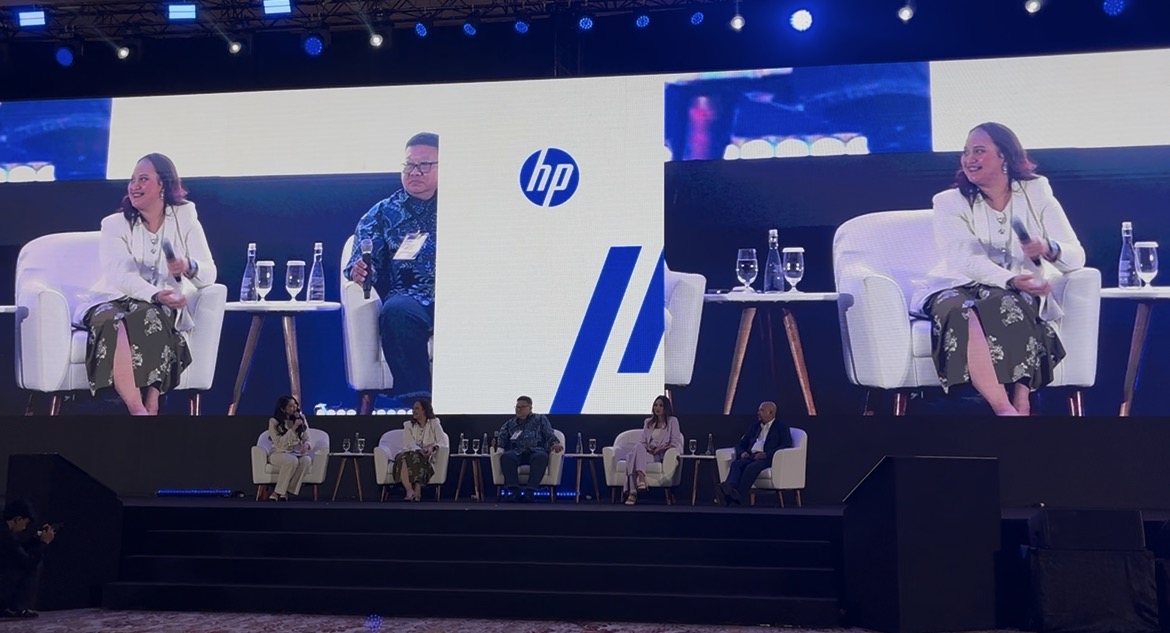
One of the privileges of working in partnerships is seeing how different organisations approach the same challenge.
Whether we’re speaking with governments, companies, or nonprofits, the conversation often begins with education.
But eventually, it always arrives at the same question:
“How do we help people build futures that are sustainable?”
I’ve learned that successful partnerships rarely focus on delivering learning alone.
They focus on creating ecosystems where learning leads somewhere.
That means combining accessible education, behavioural science that helps learners persist, AI that personalises support, and partnerships that connect learning with real-world opportunities. These elements are central to Solve Education!’s approach to scalable impact.
When these pieces come together, education becomes more than knowledge.
It becomes momentum.

A few things I’ve learned
Looking back on my own journey, and the journeys of many learners I’ve met, three lessons continue to stay with me.
First, potential is far more common than opportunity.
I’ve met countless people with extraordinary determination who simply needed someone to believe in them.
Second, confidence follows action, not the other way around.
Most people don’t become confident before accepting new challenges.
They become confident because someone trusted them enough to take those challenges on.
Third, the greatest impact we can have is creating opportunities for others.
Titles eventually change.
Projects eventually finish.
But the chance we give someone to learn, grow, and build a livelihood can influence the rest of their life.

Someone’s future begins with today’s opportunity
When I think about my own journey, I don’t remember the title I eventually reached.
I remember the people who chose to believe in me before there was certainty.
Today, every partnership we build carries that same hope.
Somewhere, a young person will decide to keep learning for one more day.
Someone will build a skill they didn’t have yesterday.
Someone will discover that education is not the end of the journey, it is the beginning of a livelihood.
If we can create more opportunities for people to keep learning, keep growing, and keep believing in themselves, we won’t just help individuals succeed.
We’ll help build a future where opportunity is something more people can reach, not because they were lucky, but because we chose to make it possible.
