Wita Shauni, Head of People and Operations at Solve Education!
“What if you didn’t hate Monday anymore?”
It sounds like one of those questions you might see in a career post. But after nine years of working in Human Resources field, I started asking myself a slightly different question:
“What makes high achievers look forward to going to work on Monday? And what makes these people choose to stay in the same company for years?”
I made a move that was quite different from anything I had done before. For most of my career, I worked in pharmaceutical and technology companies. Then, earlier this year, I joined Solve Education!, a social enterprise in the education sector that uses technology and behavioural science to help young people turn learning into earning.
It was my first time working in a social enterprise.
And if you are reading this because you are considering applying to Solve Education!, perhaps you have had the same question I once had:
“Why would someone choose to work in a social enterprise?”
You may have looked at our website, read about our programmes, or seen our job openings. But you may still wonder: What makes people stay for so long in social enterprise? Why would someone with other career options choose to work here? And what does it actually feel like to work for an organisation whose goal is not only business growth, but also social impact?
I eventually found an answer in something I had known for years, but had never really experienced: Ikigai.
I first came across the concept of Ikigai, a Japanese idea often translated as a “reason for being,” as a framework for self-development.
You may have seen the familiar four-circle diagram:
- What you are good at
- What you love
- What you can be paid for
- What the world needs
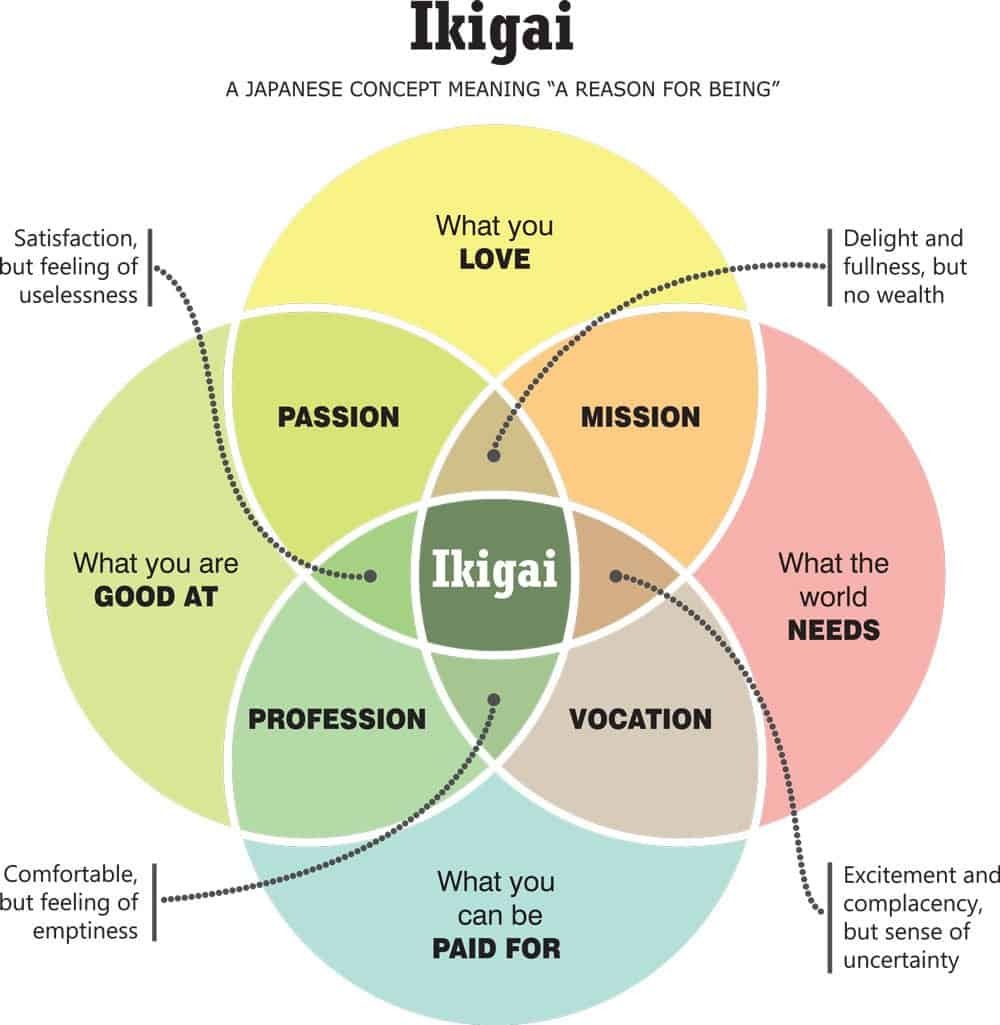
The idea is that when these different elements come together, you can find a stronger sense of purpose and meaning in what you do. It can be implemented in your daily life, including in your work.
Before joining Solve Education!I understood Ikigai mostly as a theory. Now, I understand it through work. Looking back, I realised I already had three of the four pieces in my previous career:
- What am I good at? After almost a decade in HR and People-related roles, I know that I enjoy building systems around people. I enjoy figuring out how to hire the right people, how to help them grow, how to create processes that make work easier, and how to connect people strategy with what the organisation actually needs. That is still true today.
- What do I love? I love solving people and organisational problems. I enjoy working with different people, understanding what they need, and building something that helps both the organisation and the people inside it.
- What can I be paid for? This one is probably the easiest to answer. I have built a career around these skills, and I have been fortunate enough to find organisations willing to pay me for them.
So, yes, I had the first three. I knew what I was good at, what I enjoyed, and what I could build a career around. I had a pretty clear direction. But there was still something missing.
The missing piece : “What does the world need?”
This was the part I had never really known how to answer. Not because I didn’t care about the world, but because when I worked in commercial organisations, it was easier for me to define my contribution within the boundaries of the organisation: build the team, improve the process, hit the target, grow the business. But I started wondering:
“Beyond the organisation’s own goals, who is actually better off because I am doing this work?”
I didn’t have a clear answer until I joined Solve Education!. Solve Education! works to create pathways to education, skills, entrepreneurship, and livelihood opportunities for young people, particularly those who may face barriers because of their economic background, disability, or location.
One of the things that struck me was seeing how something that might look small from an organisational perspective can become meaningful in someone’s life.
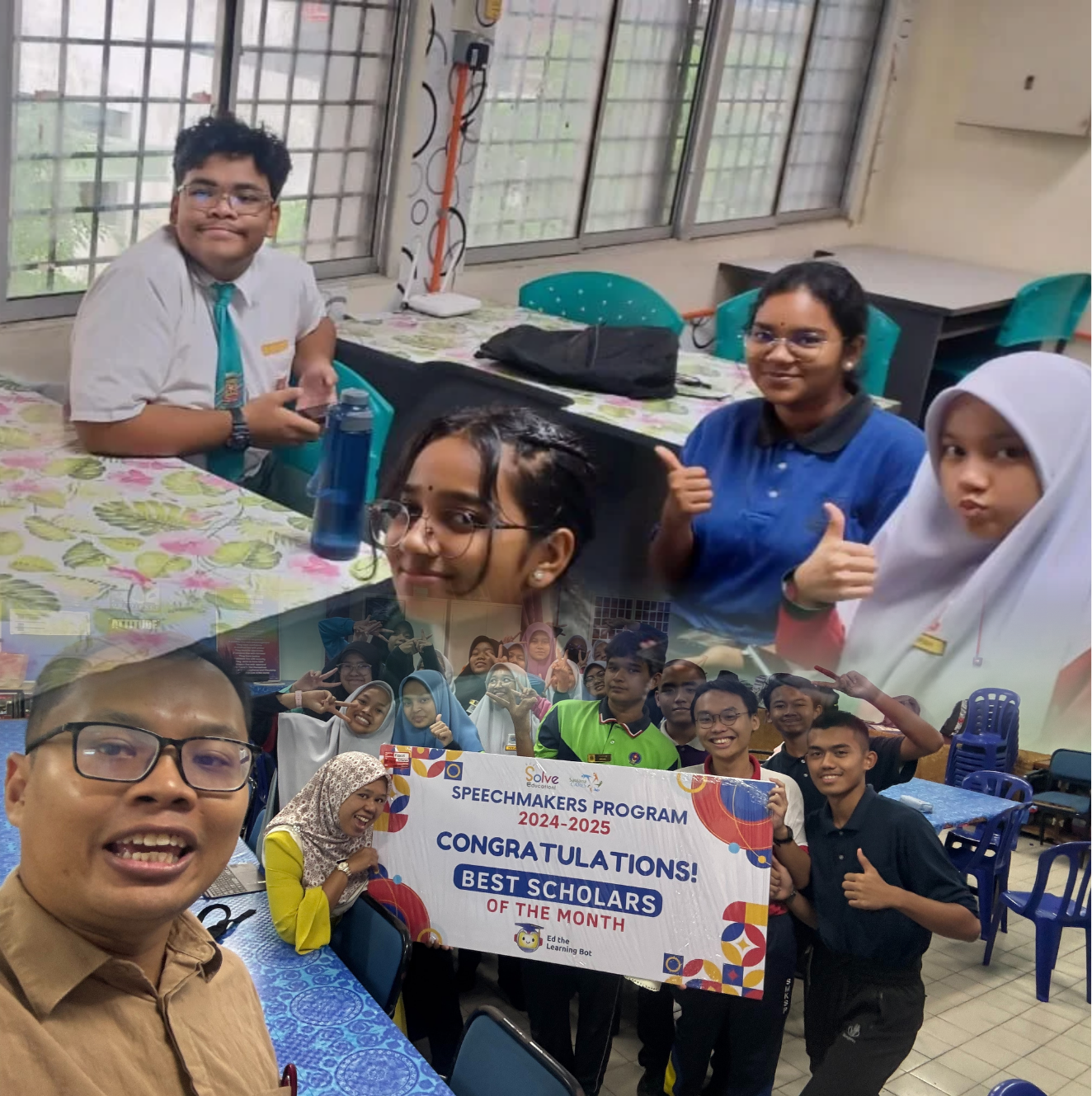
For example, Speechmaker, programme that helps someone build English literacy can become a stepping stone toward employment:
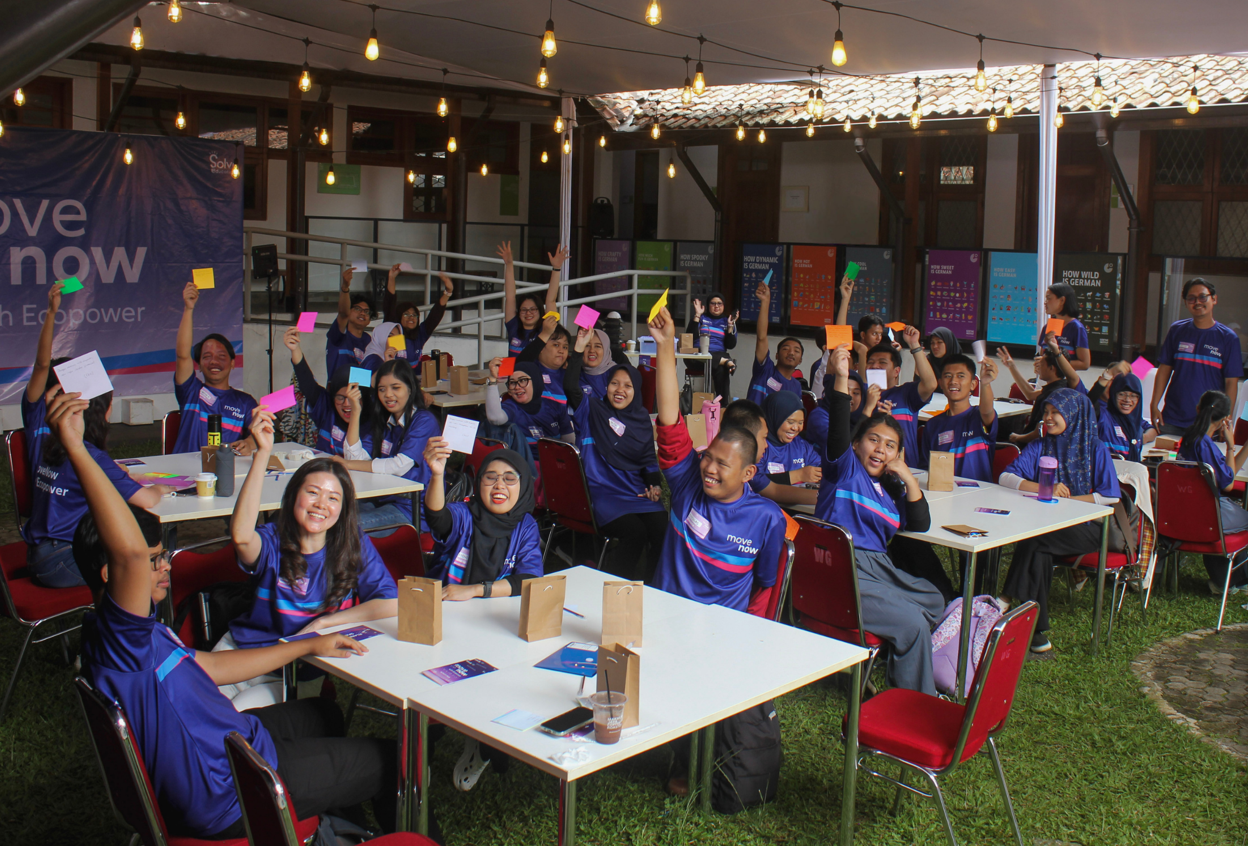
and MoveNow, A programme that supports young people with disabilities can help them strengthen their economic opportunities:
From behind my laptop, technology, learning content, behavioural science, and operational processes can sometimes feel very abstract. But working here has made me see the people behind all of it. They are people trying to learn something new, get their first job, become financially independent, or simply get an opportunity they may not have had before.
That was when I started to see that my work inside the organisation could have an impact outside of it. That connection changed how I saw my job, and how I completed the final part of Ikigai: my job is connected to the world’s needs.
Yes I still have deadlines, I still have difficult conversations, I still have spreadsheets, processes, hiring targets, meetings, and problems that need solving. Working for a social enterprise doesn’t magically make Monday easy.
But there is a difference in knowing that hard work matters to the world.
So, should you work for a social enterprise?
I don’t think there is one type of organisation that is right for everyone. Commercial companies, social enterprises, NGOs, startups, and large corporations all have different purposes, cultures, challenges, and ways of working. But if you are thinking about your next career move, perhaps don’t only ask:
“What job can I get?”
Try asking:
- “What am I good at?”
- “What do I love doing?”
- “What can I build a career from?”
And perhaps the question that is easiest to overlook:
- “Who needs what I can do?”
You might find that the first three answers point you toward a career, but the fourth answer might point you toward a purpose.
For me, that is what I found at Solve Education!. I came here to do People and Operations work. I stayed because I started to understand what that work could mean beyond my job description.
And perhaps that is one way to stop asking,
“How do I survive another Monday?”
And start asking:
“What can I do today that matters to someone beyond myself?”
-Wita